Your ductwork is the unsung hero of your HVAC system, quietly delivering heated or cooled air throughout your home. But when something goes wrong — like leaks, blockages, or disconnected sections — it can lead to higher energy bills, inconsistent temperatures, and poor indoor air quality.
The problem?
These issues often go unnoticed because duct systems are out of sight and easy to forget.
That’s why regular inspections are so important. Whether you’re a homeowner trying to troubleshoot airflow problems or you’re simply looking to boost your home’s efficiency, this blog walks you through everything to look for with a comprehensive duct inspection checklist.
From visible damage and airflow issues to insulation problems and signs of pests, we’ll cover what to watch for and when to call in the pros for expert solutions like Aeroseal duct sealing.
Signs you need a duct inspection
If you’re noticing any of the signs below, it’s time to schedule a professional duct inspection. Identifying issues early can prevent energy waste, poor air quality, and costly HVAC repairs.
1. Unusually high energy bills
If your energy costs are climbing and your usage is unchanged, your ductwork could be leaking air. When conditioned air escapes through cracks or loose connections, your HVAC system has to work harder to maintain the desired temperature, wasting energy and driving up utility bills.
2. Hot or cold spots in the house
Inconsistent temperatures from room to room are a clear sign of airflow issues. Leaky or blocked ducts can prevent air from reaching certain areas, leaving some rooms uncomfortable while others stay fine.
3. Weak airflow from vents
When the air coming out of your vents feels weak or barely noticeable, it could mean there’s a leak, obstruction, or disconnected duct somewhere in the system. This reduces HVAC efficiency and overall comfort.
4. Excessive dust buildup
If your home gets dusty shortly after cleaning, your ducts may be pulling in unfiltered air from crawl spaces, attics, or basements due to leaks. This unclean air then circulates through your entire system, spreading dust and allergens.
5. Allergy or respiratory symptoms
Worsening allergy symptoms, frequent coughing, or breathing difficulties indoors can be linked to poor indoor air quality caused by leaky or dirty ducts. Mold spores, pollen, and other contaminants can enter your system through cracks and circulate throughout your home.
6. Noisy HVAC operation
Rattling, whistling, or banging sounds coming from your vents may indicate loose ducts, high pressure from airflow restrictions, or improperly sealed joints. These noises are a red flag that something inside your duct system needs attention.
If you notice one or more of these warning signs, it’s time to get your ducts professionally inspected. Catching issues early helps protect your comfort, health, and energy budget.

The ultimate duct inspection checklist
A thorough duct inspection will help you determine when to call for professional duct services. Here is a comprehensive checklist to use when inspecting your home.
This starts with checking for visible damage. Look over any exposed ductwork for cracks, holes, rust, or disconnected sections. Sagging ducts or those not properly supported can indicate structural problems that affect airflow.
Connections and seals
Next, inspect the connections and seals. Pay close attention to where duct sections meet — gaps, deteriorating tape, or dried-out mastic sealant are signs that air may be leaking.
While the HVAC system is running, feel around these joints for escaping air. Using a smoke pencil, incense stick, or even a tissue can help detect movement that reveals leaks.
Evaluate the insulation
It’s also important to evaluate the insulation, especially in attics, basements, or crawl spaces. Torn, wet, or missing insulation leads to energy loss and reduced efficiency.
Check for dust buildup inside vents and registers, which could indicate dirty ducts. If you notice cobwebs, debris, mold, or a musty odor, those are red flags for contamination or moisture issues.
Unusual sounds
Unusual sounds from the duct system, such as rattling, whistling, or popping, can signal air pressure problems, loose components, or leaks.
Go room to room and check the airflow at each vent. If one room has noticeably weaker air than others, there may be a blockage or leak. Use your hand to feel for airflow or, if available, use an anemometer for precise readings.
Check return air grilles and filters
Remember to check the return air grilles and filters. Dirty or clogged filters can restrict airflow and put extra strain on your HVAC system. Make sure the filters are clean, properly installed, and replaced regularly. The grilles should also be free of dust and debris.
Pest activity
Look for signs of pest activity, such as droppings, chewed insulation, or nesting materials. These can damage ducts and affect air quality. If you notice any of these, sealing off entry points and contacting a pest control expert may be necessary.
Finally, consider the overall performance of your HVAC system. If it’s cycling too frequently, struggling to maintain a consistent temperature, or causing your energy bills to climb, your duct system may be to blame.
If you notice multiple issues from this checklist, it’s time to schedule a professional inspection. Experts can use diagnostic tools to detect hidden leaks and recommend targeted solutions, like Aeroseal, for long-lasting efficiency, comfort, and air quality.
Common problems uncovered during inspections
A thorough duct inspection often reveals more than one issue hiding behind your walls, ceilings, or floors. While some problems are minor, others can seriously affect your HVAC system’s performance, indoor air quality, and energy efficiency.
Here are the most common issues professionals uncover during duct inspections:
Loose or disconnected ducts
Over time, duct sections can shift, sag, or come apart entirely, especially in attics, crawl spaces, or older systems. These disconnections result in major air loss, forcing your HVAC system to work harder to deliver air where it’s needed. This reduces efficiency and makes certain rooms hard to heat or cool.
Crushed or collapsed sections
Flexible ductwork is prone to getting crushed under insulation, furniture, or foot traffic, especially in tight spaces. When airflow is restricted by physical damage, your system can’t circulate air effectively, leading to poor comfort and inconsistent temperatures throughout your home.
Missing or damaged insulation
Ducts running through unconditioned spaces should be insulated to prevent energy loss. Inspections often reveal torn, damp, or completely missing insulation. This results in heated or cooled air losing its temperature before it ever reaches your living spaces, causing your system to overcompensate and increasing your energy bills.
Mold and mildew growth
Moisture in the duct system — often caused by high humidity, leaks, or poor sealing — creates a breeding ground for mold and mildew. These contaminants can circulate through your vents, triggering allergies, asthma, and respiratory issues. Inspectors may spot visible growth or smell the musty odor that mold leaves behind.
Rodent or insect damage
Pests love ductwork because it’s dark, enclosed, and out of sight. Duct inspections often uncover signs of infestation, including droppings, nests, and chewed insulation or flexible duct material. Aside from damaging your system, pests can introduce harmful allergens and bacteria into your home’s air.
Each of these issues might start small, but if left unchecked, they compound over time, costing you comfort, air quality, and money. A professional inspection not only identifies these problems but also helps you take the next step toward lasting repairs and improved HVAC performance.
When to call a professional
While a basic visual inspection is a great first step, and you might notice some issues that need fixing, most duct problems require trained eyes and specialized tools to detect and fix properly. You should call a professional if you notice persistent issues like uneven temperatures, weak airflow, rising energy bills, or signs of mold or pest activity.
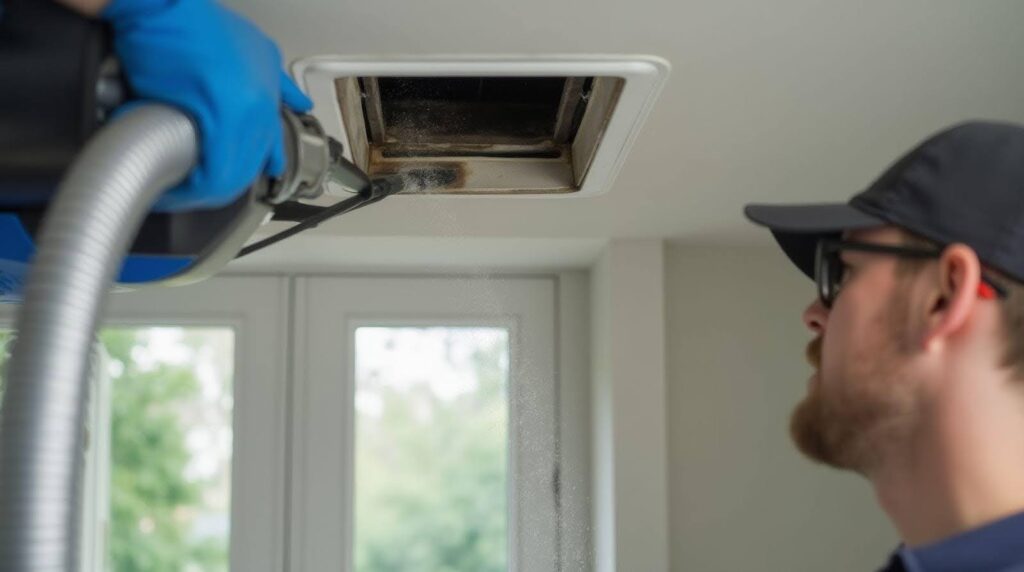
If your ducts are hidden behind walls, in ceilings, or in hard-to-reach areas, a pro can use diagnostic tools like pressure tests, smoke pencils, and thermal imaging to pinpoint hidden leaks and blockages.
Professionals can also offer advanced solutions like Aeroseal duct sealing, which seals even the tiniest leaks from the inside — something no DIY method can match. If your inspection turns up multiple red flags or if you simply want peace of mind that your system is working as efficiently as possible, it’s time to bring in the experts.
Seal the leaks you can’t see with Duct Brothers
If your home has uneven temperatures, rising energy bills, or poor air quality, leaky ducts may be to blame. Traditional sealing methods won’t reach the problem areas hidden behind walls or ceilings.
That’s where Duct Brothers and Aeroseal come in. Our expert team uses this advanced, non-invasive technology to seal your duct system from the inside out, targeting every leak with precision.
Don’t settle for guesswork or short-term fixes. Contact Duct Brothers today to schedule your Aeroseal duct service. We’ll help you restore comfort, improve efficiency, and breathe cleaner air — one sealed duct at a time.